
MOUNTAIN DRIVING & CDL · SEPTEMBER 15, 2026
CDL Mountain Driving: Safe Downgrades
Choose the gear before the grade, prevent brake fade, apply snub braking correctly, and know when to use an escape ramp.
Read article →Complete your Entry-Level Driver Training online—on your schedule, from any device. Choose your course and start learning in minutes.
Start with the program that matches your CDL goal. Every course is online and built for practical understanding.
For first-time Class A CDL applicants preparing to operate combination vehicles.
For first-time Class B CDL applicants preparing to operate heavy straight vehicles.
Required theory training for drivers seeking a Hazardous Materials endorsement.
No classroom schedule. No complicated process. Just focused online training you can complete at your own pace.
Start your course →Select Class A, Class B, HazMat, or another available training program.
Log in from your phone, tablet, or computer. Your progress stays with you.
Earn at least 80%, complete your theory requirement, and continue your CDL journey.
CDLCompass combines clear instruction, flexible access, and practical topics so you can build a strong foundation before behind-the-wheel training.
Study every ELDT Class A theory module or choose any state and practice nine CDL knowledge-test categories.
Open ELDT Theory Practice Center →Start a CDL practice test →
Class A and Class B applicants continue with behind-the-wheel range and road training before the CDL skills test. Our dedicated guide explains every next step and connects you with Patriot CDL—our preferred school for practical training in Levittown, Pennsylvania.
View the After ELDT guide →Fresh guidance on ELDT, CDL testing, safe driving, and trucking. View all articles →
Choose the gear before the grade, prevent brake fade, apply snub braking correctly, and know when to use an escape ramp.
Read article →
Learn the 1-second-per-10-feet formula, a 60-foot truck example, and when weather or traffic demands a larger gap.
Read article →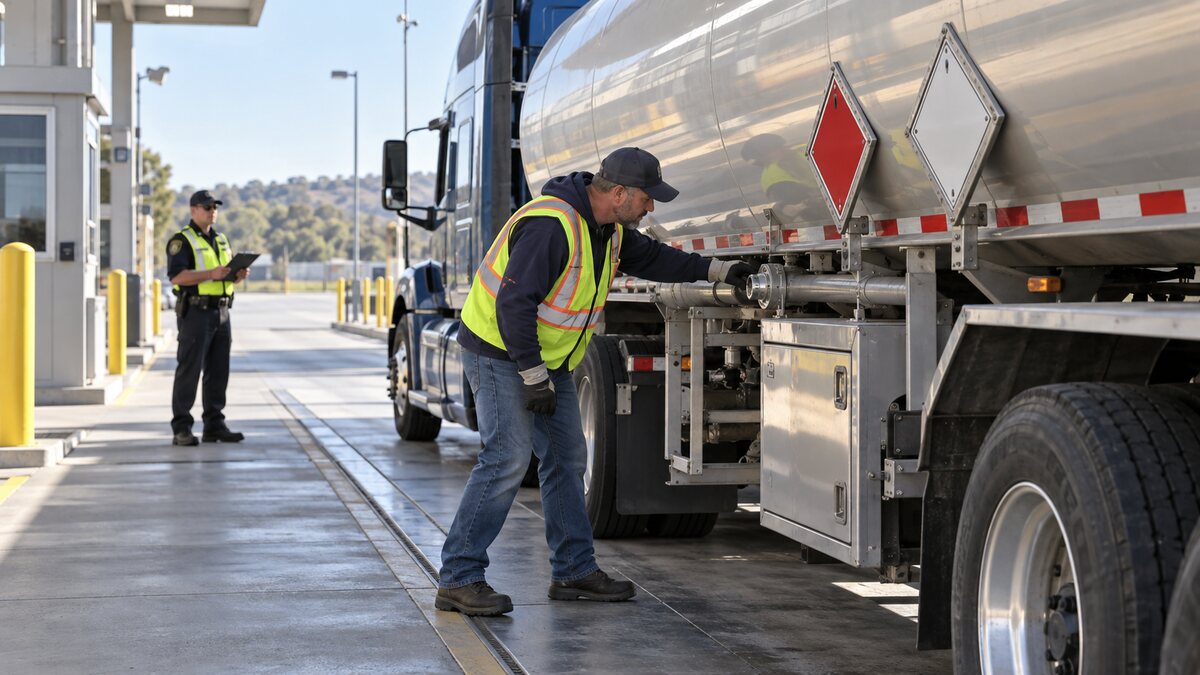
CVSA’s new results reveal the paperwork, placard, securement, credential, and training problems that can stop a hazmat truck.
Read article →Explore more than 100 trucking, CDL, vehicle, safety, freight, and logistics terms. Every definition includes a practical example, why it matters, related terminology, and relevant training articles.
Open the trucking glossary →Practical answers about online theory training, completion, and next steps.
First-time Class A or Class B applicants, Class B-to-A upgrades, and certain first-time endorsement applicants generally need ELDT.
Entry-Level Driver Training.
The courses follow the federal ELDT theory curriculum and support completion reporting.
No. Class A and B applicants also need behind-the-wheel training from a registered provider.
You must earn at least 80% on the theory assessment.
Yes. Review the material and retake it until you demonstrate the required knowledge.
Yes, on a phone, tablet, laptop, or desktop with internet access.
Yes. You may pause and return when your schedule allows.
Time varies by student; federal rules require curriculum completion and a passing score rather than a minimum number of theory hours.
Generally yes, but the proper permit is required before public-road behind-the-wheel training.
Your legal name, date of birth, license or permit number, and issuing state.
After successful completion and identity verification, the provider submits the record to the TPR.
You can retain a confirmation; licensing authorities verify the electronic TPR record.
Federal ELDT records generally do not expire, but permits and other state requirements may.
It depends on the credential being added or upgraded and whether an exception applies.
Generally yes, unless an exception applies.
First-time HazMat endorsement applicants generally need theory training before the state knowledge test.
No. The federal HazMat ELDT requirement is theory-only.
Yes, provided both are registered and report the appropriate completion.
Class A and B students complete behind-the-wheel training and then proceed toward the state skills test.
Check the course catalog for currently available language options.
Contact support promptly because mismatched information can delay TPR reporting.
Choose your ELDT course and take the first step in minutes.
Explore courses →